
Struggling with your calories?
– Constantly finding yourself struggling to adhere to the deficit?
– Are you tired of not being able to lock in?
– Does restrictive eating also restrict your will to live?
Well, in this guide, I will share some strategies I have used to personally lose well over 20 kg in the past. It might not be pretty, but the results are. 🙂
Now, these might not resonate with all; feel free to cut and snip this information with what works best for you!


Understanding Hunger: Why Feeling Hungry is Normal in a Deficit
When you first start a calorie deficit, it’s normal to start feeling that bugger of a sensation (hunger) in the first few weeks. Whether it’s a week, a fortnight, or a month into your cut, many people notice one consistent sensation. That persistent gnawing in your stomach isn’t a sign you’re doing something wrong; it’s your body’s natural response to eating fewer calories than it burns.
Why Hunger Happens on a Calorie Deficit
– If your calorie deficit is 300 calories or more below maintenance, your body starts using stored fat for energy.
– Hunger signals are normal and indicate that your metabolism is active.
– Feeling hungry doesn’t mean you’re starving; it’s a healthy part of fat loss.
How to Manage Hunger Effectively
Instead of fighting or ignoring hunger, try to acknowledge and embrace it. Here’s how:
– Allow yourself to feel it: Recognize that hunger is a sign your body is burning fat.
– Tolerate it: Use it as an opportunity to build mental resilience and control cravings.
– Stay consistent: By resisting the urge to snack unnecessarily, your body adapts to your new routine eventually.
The Mental Side of Hunger
Hunger isn’t just physical, it’s mental. Learning to cope (lol) with the initial discomfort strengthens your willpower and prevents emotional eating. Over time, your body becomes accustomed to your calorie deficit, and those first-day cravings will feel much easier to handle. It’s all about routine, not motivation!
Personal Thoughts
Feeling hungry during a calorie deficit is normal and should be embraced as part of your fat-loss journey. Understanding why it happens and developing strategies to manage it will achieve sustainable results!

Why Repeat Meals Are a Secret Weapon for Fat Loss and Muscle Gain
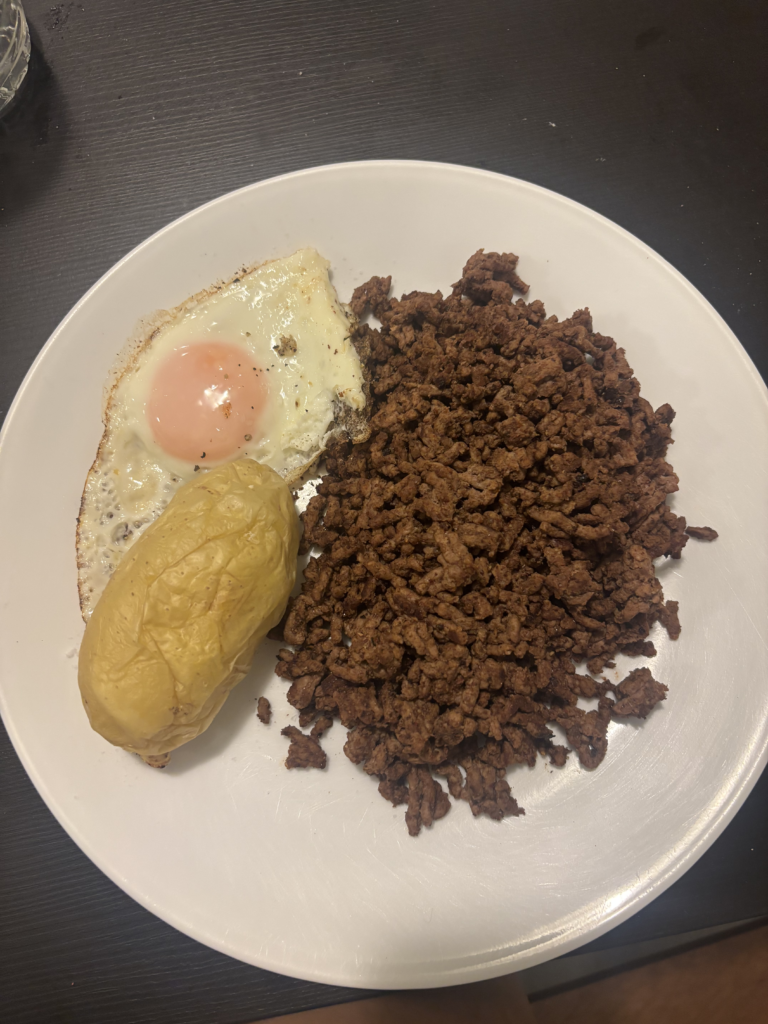
You heard it right, monotony is key! While many diet plans herald variety, when it comes to hitting calorie and macronutrient goals, consistency can actually be your best friend. Repeat meals, or eating the same meals consistently, simplify tracking and make it easier to stick to your nutrition plan without a second thought.
The Benefits of Eating the Same Meals Daily
Having a go-to meal, whether it’s ground beef with potatoes or a protein shake, ensures you consistently hit your protein, carb, and fat targets. This approach reduces the risk of accidentally over- or under-eating, allowing you to fine-tune portion sizes over time.
Other benefits include:
– Time savings: fewer meal-planning and prep decisions.
– Reduced decision fatigue: Focus energy on workouts, work, or daily life.
– Predictable hunger control: Knowing your meals in advance helps manage cravings.
How Meal Monotony Supports Fat Loss
People worry that eating the same meals will be boring, but structure can actually make sticking to a calorie deficit much easier. You know exactly what you’re eating, which reduces stress and improves adherence. While it’s important to rotate foods occasionally for micronutrient diversity and overall sanity, the principle of monotony is a powerful tool for fat loss, muscle gain, and maintenance.
Creating a Sustainable System
Embracing repeat meals isn’t about feeling restricted. It’s about creating a simplification, sustainable systems that help you consistently hit your calories and macronutrients. By strategically planning repeat meals, you make your nutrition predictable, manageable, and highly effective for long-term results
Stopping Late-Night Bingeing with meal timing.
If you struggle with late-night binge eating, one effective strategy is to adjust the timing of your meals. Instead of eating early in the day, consider having your first meal later, around noon, or if you’re up for it, even as late as 3 PM.
Why Later Meals Can Help
Eating later in the day can help offset evening hunger and reduce the urge to binge at night. Many people notice that they only feel truly hungry after their first meal. By delaying that first meal, you can manage your hunger signals more effectively and avoid unnecessary cravings earlier in the day.
How I would Structure My Meals
– Start your eating window later in the day, such as noon or mid-afternoon.
– Space your meals so that your last meal aligns with your usual binge hours (10 PM–12 AM).
– Focus on balanced, nutrient-dense meals that include protein, fiber, and healthy fats to stay full longer.
Benefits of Later Meal Timing
By shifting your meals later, you can replace the late-night binge with a scheduled meal instead. This helps you control calorie intake, stabilize hunger, and improve long-term eating habits. Over time, your body adjusts to the new schedule, making it easier to avoid impulsive snacking or overeating at night.
How to Manage Sudden Hunger During a Calorie Deficit
Ever get that sudden, sharp pang in your stomach, screaming at you to eat immediately?
If you’re trying to stick to your calorie goals and save calories for later, there’s a simple trick that can help:
a caffeine-containing diet soda like Coke No Sugar or similar zero-calorie drinks.
For example, you might be at work, starving, but it’s too early in the day to consume 500 calories. Instead of giving in, grabbing a quick can of zero-calorie soda or energy drink can temporarily curb your hunger. The combination of caffeine and carbonation works surprisingly well to suppress appetite, quenching that “fire” in your belly until it’s time for your planned meal.
Why Diet Soda and Caffeine Work
– Caffeine boosts metabolism slightly and provides a mild appetite-suppressing effect.
– Carbonation fills your stomach, giving a sense of fullness without extra calories.
– Zero-calorie options let you satisfy your hunger cues without derailing your calorie deficit.
Important Considerations
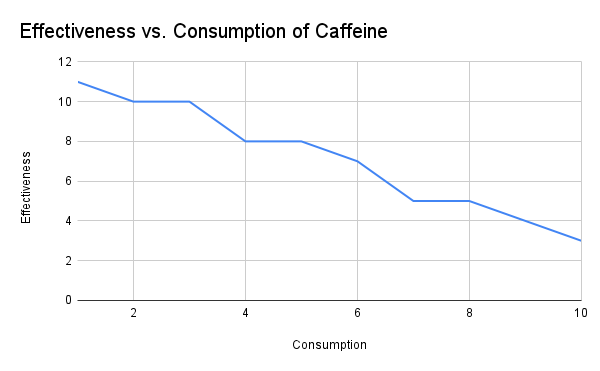
While this method can be effective, it’s important not to overdo it. Regular consumption of caffeinated diet drinks can reduce their appetite-suppressing effect over time and may contribute to caffeine dependence. Using them strategically, rather than as a constant crutch, is key to long-term effectiveness.
Tips for Using Caffeine Drinks During a Cut
1. Reserve them for unexpected hunger spikes rather than routine consumption.
2. Pair with hydration, as caffeine can be mildly dehydrating.
3. Keep track of your overall caffeine and time of intake to avoid jitteriness or sleep disruption.
When used wisely, zero-calorie caffeinated drinks can be a practical tool for appetite control, helping you stay on track with your calorie and macronutrient goals while managing hunger effectively
Volume Eating: Eat More, Feel Full, and Lose Weight
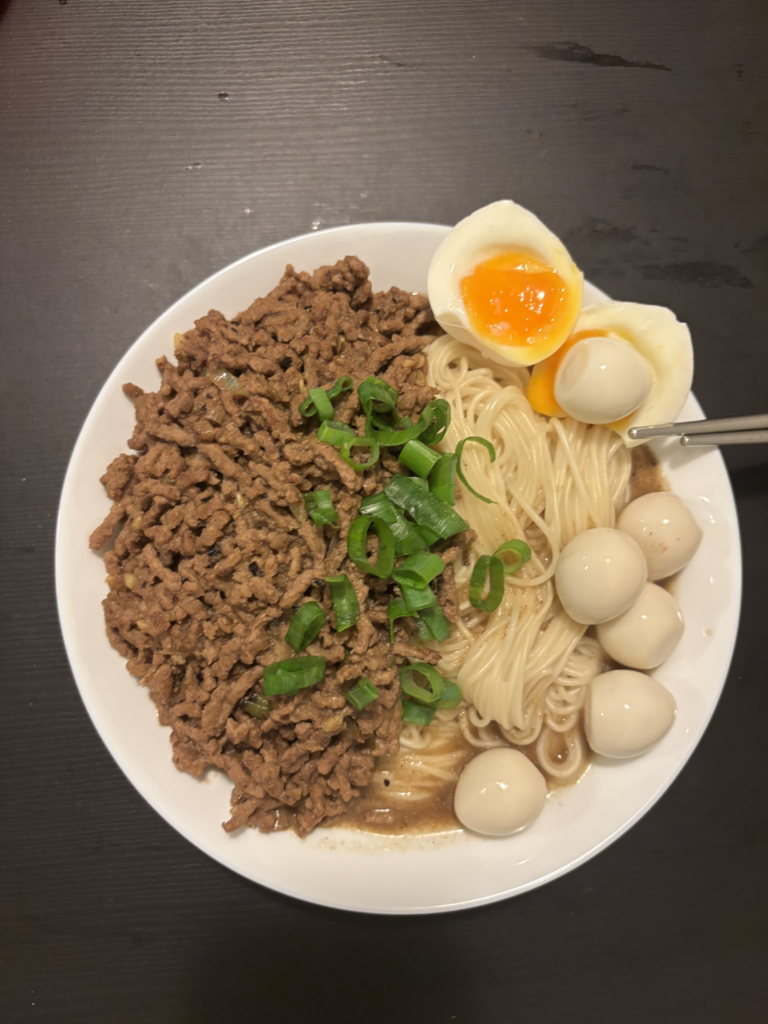
Volume eating is a smart “low-hanging fruit” strategy that allows you to enjoy large portions of food while keeping your calorie intake in check. This approach focuses on low-calorie, high-volume foods like vegetables, fruits, whole grains, and lean meats. Filling your plate with food that physically occupies a larger volume on your plate, whilst being low-calorie, ensures adherence to your goals.
Benefits of Volume Eating
One of the biggest advantages of volume eating is that it naturally controls hunger. Large portions of low-calorie foods trigger feelings of fullness while still providing essential vitamins, minerals, and antioxidants.
– Fills your stomach up, leading to reduced sensations of hunger.
– Mentally tricks you into thinking you’re consuming a lot, which you are volume-wise, just not calorie-wise, which is always a plus!
– Prolongs Eating time. In effect, prolonged eating duration works as a satiety hack, telling your brain that you’re full.
How to Make Volume Eating Work for You
Volume eating is both a versatile and sustainable low-hanging fruit hack that I have used. It allows you to enjoy big, satisfying meals without guilt, making it worlds easier to stick to an eating plan long-term.
Consider (important) – combine high-volume foods with moderate amounts of protein and healthy fats.
– Protein builds and maintains your highly coveted muscle.
– Fats keep your hormones in check (Especially in an aggressive deficit).
Why Volume Eating is Effective for Weight Loss
For anyone looking to lose weight without feeling deprived, volume eating is a practical and flexible solution, and here’s why:
– Better Satiety compared to eating six meager chicken nuggets, which have ~the same amount of calories as half a plate of lean ground beef.
– Lessened feeling of deprivation since your stomach, volume-wise, is at full capacity.
– Ironically enough, it shrinks your ability to eat more, leading to even better satiety.
– It is incredibly sustainable in the long run, so long as you have a well-balanced meal.
Touching back on shrinking eating ability, this is a personal experience I have encountered. When I began my cut from a huge year-long dirty bulk, my ability to eat was incredible. You could say I would give competitive eaters and muk-bangers a run for their money. As I structured my meals and ate high-volume, low-calorie foods, I began to find myself feeling less hungry after each meal, week by week (except for the final deprived state of the cut, of course). It got to a point where I actually began to decrease the volume in my foods, removing things like onions, extra veg, and even substituting less lean meats but tastier meats due to me not requiring all that volume to feel full; so long as I hit my macros.
Conclusion + Final Thoughts
Sticking to a calorie deficit becomes much easier when you use the right strategies. By understanding your hunger, repeating simple meals, adjusting your meal timing, using appetite-control tools wisely, and focusing on high-volume, low-calorie foods, you create a routine that supports consistent fat loss!
These habits reduce cravings, boost adherence, and make your deficit much easier to sustain mentally and physically. With a simple, structured approach, you’ll stay in control, stay satisfied, and see real results without feeling restricted.